
This page provides training resources to help users understand and begin working with the CIRCULOOS Data Platform, the digital infrastructure that enables secure, interoperable data exchange across circular manufacturing ecosystems.
The training materials are designed for manufacturing SMEs, developers, and digital innovation stakeholders who want to explore how the platform works and how it can be integrated into real industrial environments. Through a combination of videos, presentations, tutorials, and practical examples, users can learn about the platform architecture, the flow of manufacturing data, and the tools that enable interoperability across supply chains.
The available training content includes:
- Introductory videos explaining the concept and architecture of the CIRCULOOS Data Platform
- Technical presentations describing the platform components and data layer
- Step-by-step tutorials on how to connect systems and send data to the platform
- Example files and repositories illustrating how materials and production data can be structured and transmitted
- Hands-on demonstrations showing the journey of shopfloor data from sensors to the CIRCULOOS ecosystem
Digital collaboration and data interoperability are key to enabling circular manufacturing ecosystems. The CIRCULOOS Integrated Data Platform serves as the technological backbone, connecting factories, digital tools, and supply chain partners to enable secure, interoperable data exchange.
Many manufacturing SMEs still face low levels of digitalisation, making it difficult to share data, measure sustainability performance, and implement circular economy strategies. The CIRCULOOS Data Platform helps companies overcome these challenges by enabling them to collect and share manufacturing data, monitor sustainability indicators, collaborate across supply chains, and support data-driven decision making. By creating a shared data environment, the platform facilitates secure information flow and supports more efficient and collaborative circular value chains.
Why Use the CIRCULOOS Data Platform?
- Easy deployment: The CIRCULOOS platform can be deployed using containerised technologies such as Docker, making installation straightforward and allowing organisations to run it within their own IT environments.
- Flexible data integration: The platform can ingest data from multiple sources, including sensors, factory systems, CSV datasets, and external digital tools. This flexibility allows companies to integrate their existing data systems with minimal disruption.
- Standardised data structure: Incoming data is converted into NGSI-LD entities and stored in the Orion-LD Context Broker, ensuring that information is structured according to a shared semantic model and is easily understandable across systems.
- Easy access to data: Users and applications can retrieve and interact with data through standard APIs, enabling seamless integration with analytics tools, dashboards, and other digital services.
- Data-driven decision making: Once data is integrated into the platform, organisations can monitor operations, analyse performance, and optimise manufacturing processes to improve efficiency and sustainability.
Why Use Advanced Integration in the CIRCULOOS Platform?
- Connect multiple factories and systems: The platform supports a federated architecture, allowing local factory installations to connect with the central CIRCULOOS platform. This enables organisations to collaborate while maintaining distributed infrastructures.
- Maintain control of your data: Factories keep full ownership of their operational data locally while sharing selected information with partners. This ensures collaboration without compromising data sovereignty.
- Ensure secure data exchange: All communication between systems is protected by authentication, access control, and API gateways, enabling authorised, secure data sharing across the ecosystem.
- Integrate advanced digital tools: Federated data can power advanced applications such as Digital Twins, supply chain optimisation tools, and sustainability assessment services.
- Enable collaborative circular ecosystems: By connecting partners and systems, the platform supports data-driven collaboration across supply chains, helping organisations optimise resources and accelerate circular manufacturing practices.
Core Concepts of the Platform
The CIRCULOOS Data Platform is built on four key concepts. Context data represents real-world elements such as machines, materials, and production processes. These elements are modelled as entities, which contain attributes and relationships linking them across the manufacturing ecosystem. To ensure all systems interpret data consistently, the platform uses the CIRCULOOS Common Data Model (CDM), which defines how information is structured and exchanged. Data interoperability is enabled through the NGSI-LD standard, allowing real-time and historical data sharing across factories, digital tools, and supply chain partners.
Platform Architecture
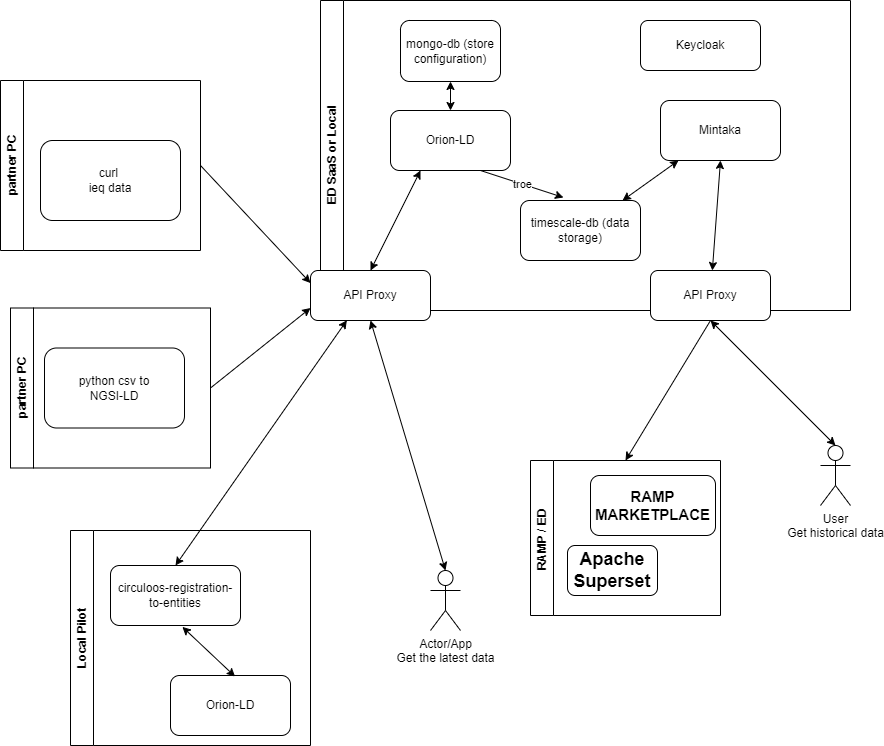
The CIRCULOOS Data Platform is built on modular FIWARE components that ensure secure, scalable, and interoperable data exchange across circular manufacturing ecosystems.
- Orion-LD Context Broker: The core component of the platform. It manages contextual data, updates entities, and enables real-time queries, serving as the central hub that connects factories, sensors, and digital tools.
- Mintaka: Stores historical and time-series data, allowing users to analyse production performance, sustainability indicators, and operational trends over time.
- Keycloak: Provides identity and access management, enabling secure authentication, role-based permissions, and Single Sign-On for platform users and services.
- Kong API Gateway: Controls and secures all platform communications by validating access tokens, managing API traffic, and protecting services from unauthorised access.
How Data Flows in the Platform
The CIRCULOOS Data Platform manages the full lifecycle of manufacturing data. Examples of applications include Digital Twins, supply chain optimisation tools, and sustainability assessment solutions.
- Data ingestion: Data enters the platform from sources such as sensors, production systems, factory software, CSV files, or digital tools.
- Context management: The Orion-LD Context Broker receives the data and structures it as NGSI-LD entities.
- Data storage: current data is managed in Orion-LD, while Mintaka stores historical and time-series data.
- Data access: Applications access the data through standard APIs to generate insights and support decision-making
Why the Platform Matters for Circular Manufacturing
The CIRCULOOS platform enables a data-driven circular manufacturing ecosystem. By sharing and connecting data across stakeholders, companies can:
- track materials and products across supply chains
- identify reuse and recycling opportunities
- optimise production and logistics processes
- reduce waste and resource consumption
- measure sustainability performance
The CIRCULOOS Data Platform provides a common data layer that enables manufacturing SMEs to securely share and manage data across circular supply chains. By integrating shopfloor data, standardised data models, and open-source technologies, the platform supports interoperability, sustainability assessment, and collaboration between partners. It also enables the digitisation of materials and by-products, helping companies identify reuse opportunities and implement circular manufacturing practices.
👉 Want to learn more about how the platform works? Explore the full presentation here
The CIRCULOOS Platform utilizes FIWARE components, designed to be implemented on factory premises or on the cloud. It is compatible with the NGSI-LD (Next Generation Service Interfaces) specifications. This platform setup serves as a template, equipped with minimal configurations to facilitate a smooth startup. Utilizing FIWARE generic enablers.
👉 Want to learn more about the platform? Explore the GitHub repository
RAMP serves as the entry point to the CIRCULOOS ecosystem, allowing organisations to register, publish materials or by-products, and connect marketplace activities with the CIRCULOOS Data Platform. Through this integration, companies can transform marketplace information into interoperable data that can be shared, analysed, and reused across circular supply chains.
To help users get started, CIRCULOOS provides tutorials and examples that demonstrate how to connect RAMP to the Data Platform and send material information directly to the system.
Step 1 Register your organisation in RAMP
The first step is to create or register your organisation in the RAMP Marketplace. RAMP is the digital community and marketplace that connects manufacturing SMEs, technology providers, and innovation partners within the CIRCULOOS ecosystem.
👉 Access the RAMP platform here:
https://circuloos.eu/ramp-robotics-and-automation-marketplace/
Through RAMP, organisations can participate in circular manufacturing collaborations, publish material offers, and connect with other ecosystem stakeholders.
⚠️ Important: Organisation and tenant names must follow the required naming convention to ensure correct platform access and data synchronisation.
Step 2 Publish materials or by-products in RAMP
Once registered, users can create sell ads or listings for materials and by-products within the RAMP marketplace. These listings represent potential resources that can be reused, refurbished, or recycled within circular manufacturing networks.
This step connects business collaboration in RAMP with data interoperability in the CIRCULOOS platform.
🎥 Tutorial Video — Part 1:
Create an organisation and publish a sell ad in RAMP.
Step 3 Send material data to the CIRCULOOS Data Platform
Materials created in RAMP can also be sent directly to the CIRCULOOS Data Platform. This enables the platform to store the information as structured NGSI-LD entities that can be used by other services such as sustainability assessment tools, Digital Twins, or supply-chain optimisation tools.
🎥 Tutorial Video — Part 2:
Create and send a material offer to the CIRCULOOS Data Platform using a POST request.
More about the CIRCULOOS Data platform and RAMP in the Github repository
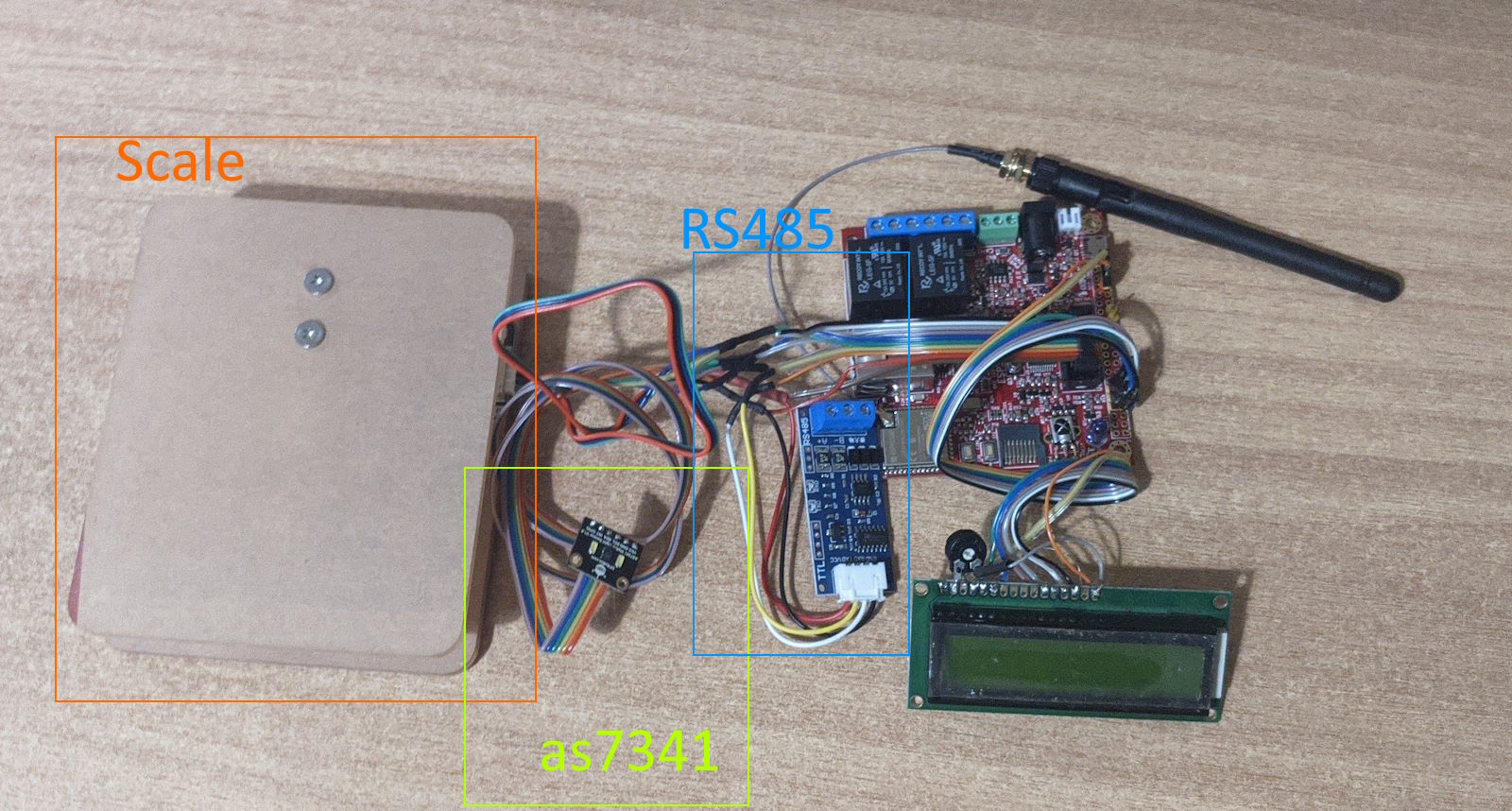
This repository provides a demonstration environment that simulates the complete journey of manufacturing data from the shopfloor to the CIRCULOOS Data Platform. The setup includes both hardware and software components that illustrate how measurements collected from sensors on the shopfloor are transmitted through a local RAMP IIoT instance (running on a Raspberry Pi) and finally integrated into the centralised CIRCULOOS Data Platform.
The demonstration represents a full end-to-end data flow, including:
- sensor data collection on the shopfloor
- local communication and processing within the factory environment
- data transmission to a local RAMP IIoT instance
- synchronisation with the centralised CIRCULOOS Data Platform
This example helps users understand how real manufacturing data can be captured, processed, and integrated into the CIRCULOOS ecosystem to support digital manufacturing and circular supply chain applications.
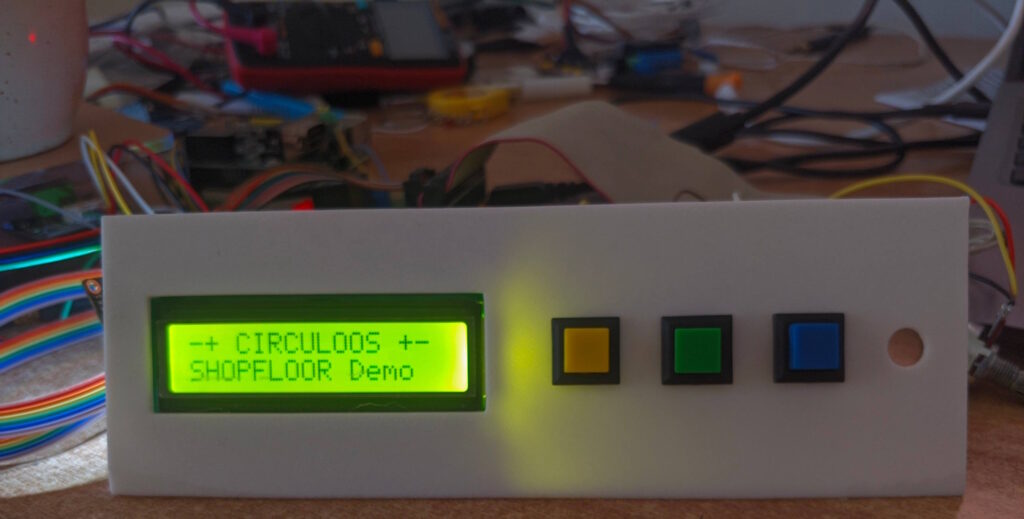
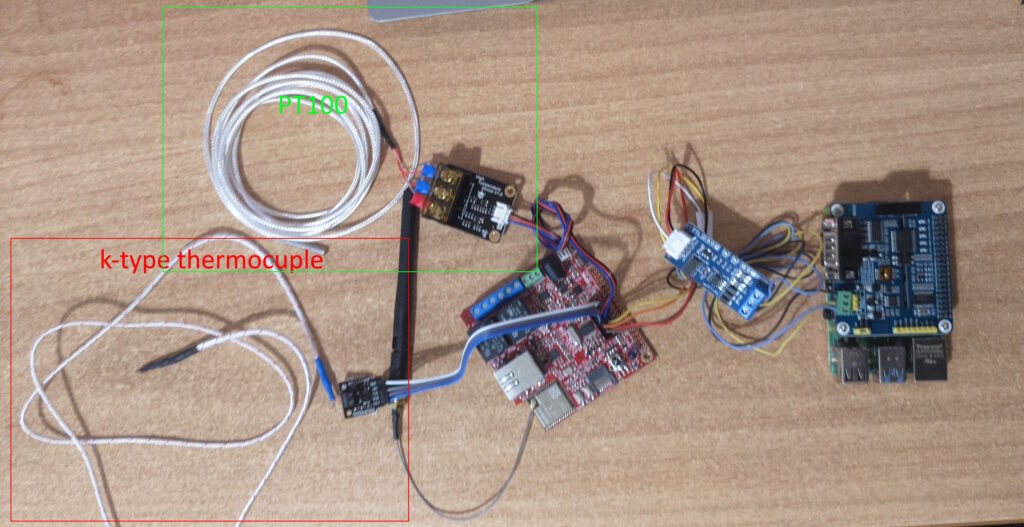
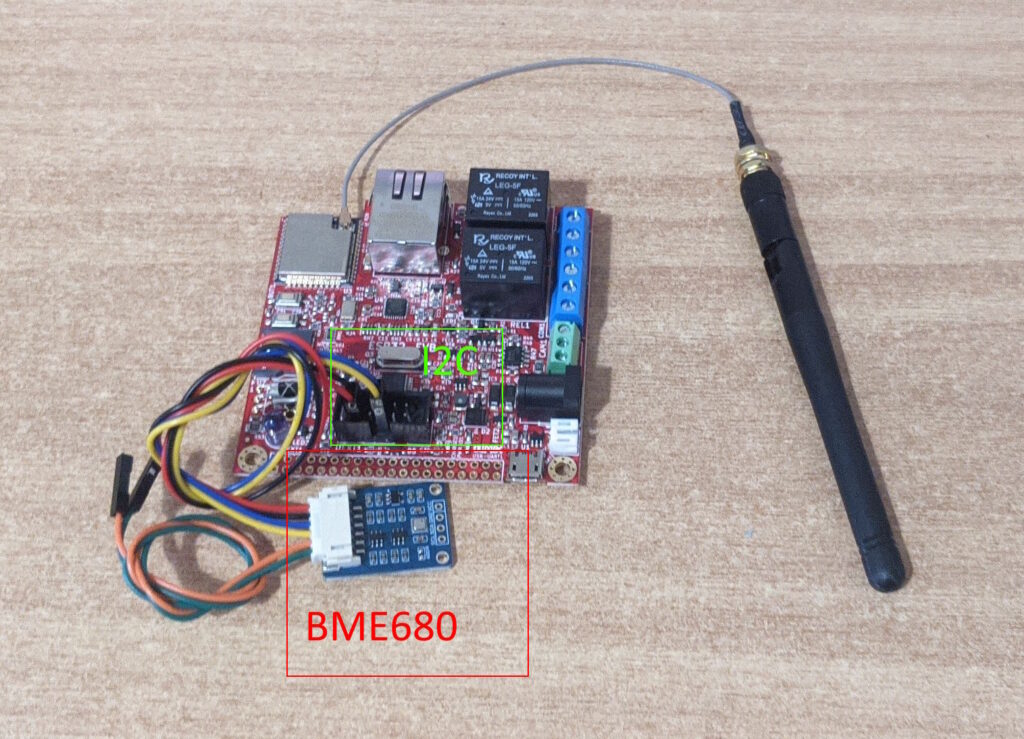
In this Q&A video, experts from the CIRCULOOS project explain how the CIRCULOOS Data Platform enables smarter, more sustainable supply chains through trusted data exchange and advanced digital tools.
The CIRCULOOS platform is designed to support micro, small, and medium-sized manufacturing companies (MSMEs) in transitioning to circular economy business models. By enabling secure collaboration and data sharing across supply chains, the platform helps companies optimise production processes, evaluate sustainability impacts, and implement circular strategies such as reuse, remanufacturing, refurbishment, and recycling.