
Digital tools, industrial pilots, circular manufacturing experiments and European innovation ecosystems came together in Barcelona to explore a central question: how can promising circular solutions move from demonstration to real industrial scale?
On 30 September 2026, CIRCULOOS and Mobile World Capital Barcelona brought together manufacturing companies, technology providers, research organisations, Digital Innovation Hubs (DIHs), circular economy experts and innovators for a full-day workshop in Barcelona.
The event, held in the framework of the CIRCULOOS 4th Plenary Meeting, combined practical demonstrations, pilot experiences, training, experimentation and discussions on commercialisation and future collaboration.
Throughout the day, one message emerged repeatedly: circular manufacturing is not only about developing new technologies. It also requires trusted data, new partnerships, viable business models, the right skills and ecosystems capable of taking successful solutions beyond individual pilots.
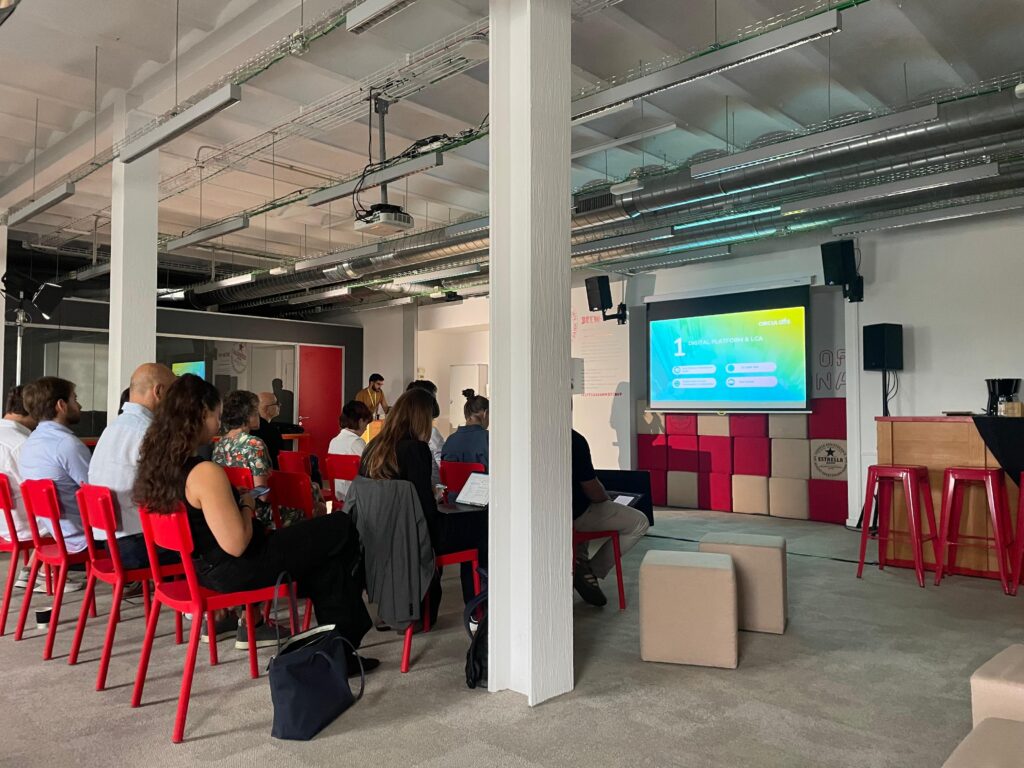
Making circular manufacturing actionable through digital tools
The first part of the workshop provided an overview of the CIRCULOOS approach and the digital infrastructure developed to help manufacturing SMEs move from linear towards more circular production models.
A central challenge identified by the project is the complexity of circular value chains. Manufacturers need to understand where materials come from, how products and resources move throughout their lifecycle, what alternatives are available, which partners can be trusted and how different sourcing decisions affect both cost and environmental performance.
Data is therefore at the heart of the transition. As one of the speakers explained:
“We need to have data and use data in order to see the product through its lifecycle.”
CIRCULOOS addresses these challenges through an interconnected set of solutions including its Data Platform, RAMP marketplace, supply-chain modelling and optimisation tools, digital twins, sustainability and lifecycle assessment tools, and mechanisms for secure and interoperable data sharing.
The workshop demonstrated how these tools can help companies map manufacturing processes, connect supply and demand, identify new partners and compare alternative value chains on economic and environmental criteria.
Rather than seeing waste only as an end-of-life problem, the approach makes it possible to identify where recovered resources can become inputs for new manufacturing processes.
The RAMP ecosystem plays an important role in this process by enabling manufacturing companies and technology providers to connect, share opportunities and identify possible collaborations. CIRCULOOS’ wider digital architecture also supports traceability, secure data exchange and the development of increasingly data-driven circular supply chains.
From tools to skills
Technology alone, however, is not enough.
The workshop also highlighted the importance of helping SMEs and professionals develop the skills required to use digital circular-manufacturing tools effectively. Mobile World Capital Barcelona presented the training approach developed within CIRCULOOS together with the project’s technical partners.
Training resources translate the project’s technical solutions into practical learning materials covering areas such as data sharing, lifecycle assessment, digital twins, RAMP, blockchain and traceability.
This skills dimension responds to one of the barriers identified throughout CIRCULOOS: smaller manufacturers may recognise the potential of circularity while still lacking the internal digital capabilities or specialist knowledge needed to implement it.
The objective is therefore not simply to make technology available, but to enable companies to understand it, test it and incorporate it into their operations.
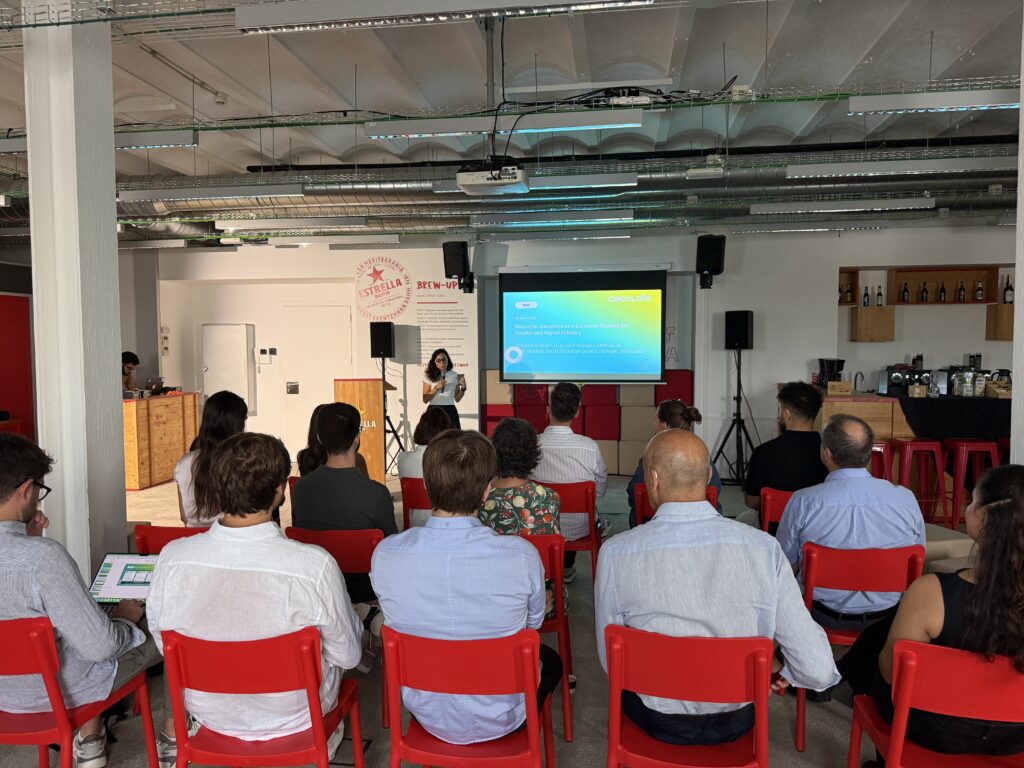
Lessons from real manufacturing environments
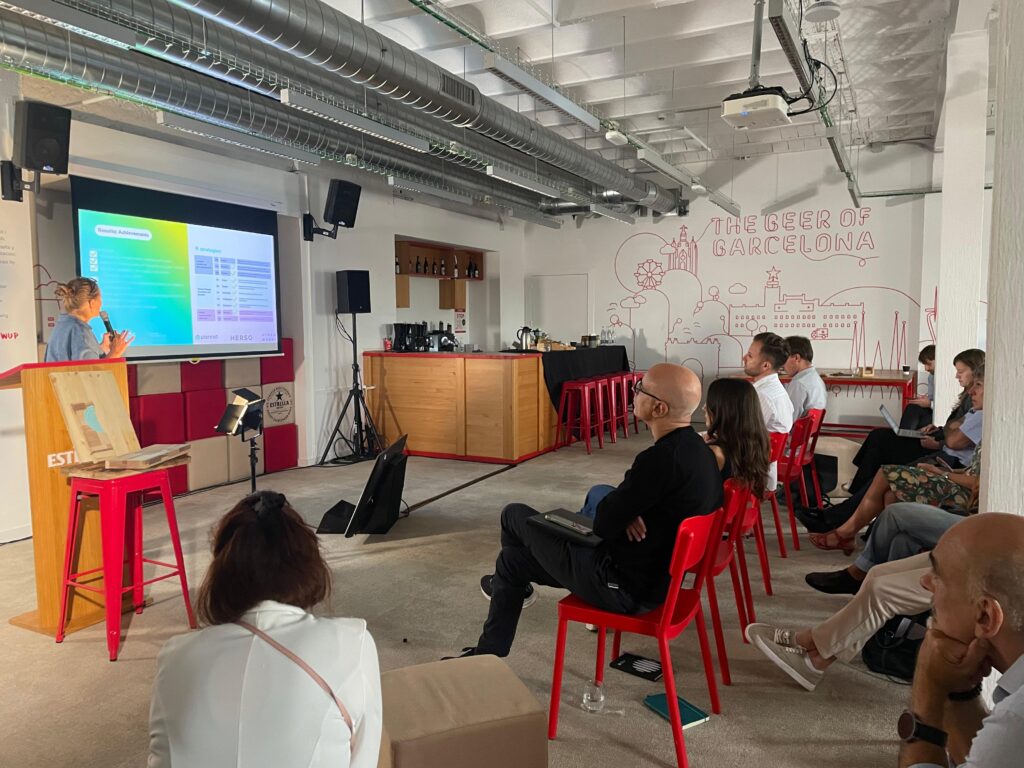
The discussion then moved from tools to practice through the project’s three industrial pilot areas in plastics, leather and wood.
The pilots showed how circularity can be incorporated into existing manufacturing environments through better resource tracking, reuse and upcycling of production residues, collaboration between companies and the introduction of new actors into established value chains.
One particularly important lesson was that circular value chains can continue evolving once the initial connections have been created.
In the leather pilot, for example, new collaboration opportunities expanded the use of manufacturing leftovers into additional applications, illustrating how one company’s residual material can become another company’s production input.
The pilots therefore served not only as demonstrations of individual technologies, but as testing grounds for new forms of industrial collaboration.
Learn more about the pilots here
Digital Innovation Hubs as bridges to industrial adoption
A dedicated discussion with Digital Innovation Hubs explored how regional innovation ecosystems can help take these approaches beyond the CIRCULOOS consortium.
Jan Willem, representing EDIH Rhineland, described one of the fundamental principles behind the European Digital Innovation Hub model in three words:
“Test before Invest.”
The concept reflects an important challenge for SMEs. Before committing significant resources to a new technology, companies need opportunities to understand their digital maturity, assess possible solutions, create an implementation roadmap and test whether a particular technology actually responds to their needs.
The discussion highlighted the role of European Digital Innovation Hubs as intermediaries between technology and industry: helping SMEs identify suitable technologies and partners, access expertise and move from an initial innovation challenge towards practical implementation.
The connection between competitiveness and sustainability was also emphasised. As Jan Willem noted, extending the useful life of products and resources can simultaneously contribute to environmental objectives and strengthen industrial resilience.
This combination of local support and a wider European network offers an important route for replicating CIRCULOOS approaches across new regions and industrial sectors.
Circular innovation in action
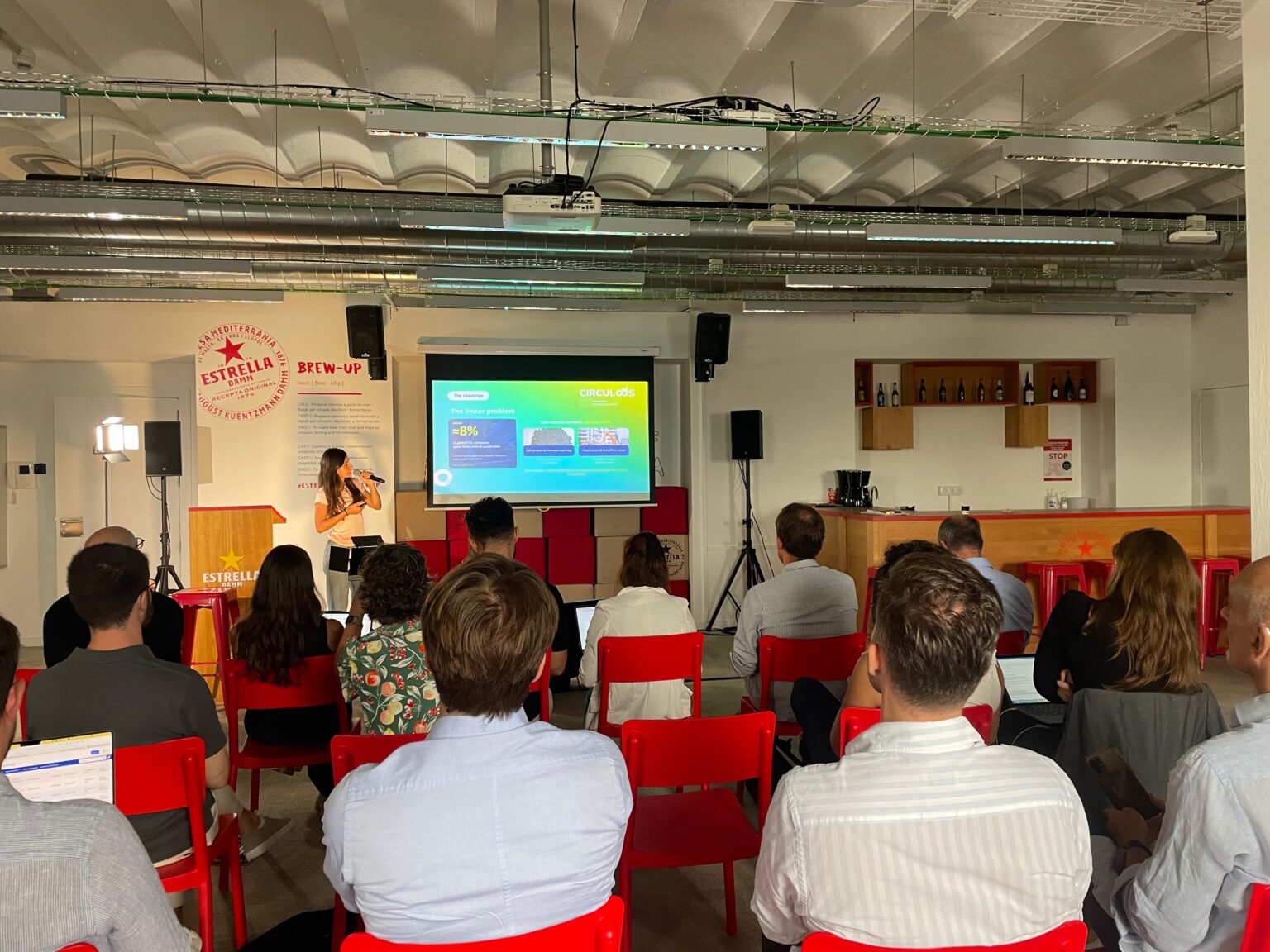
The afternoon placed the spotlight on the CIRCULOOS Experiments, which presented the results of the circular value chains developed through the project’s Open Calls.
The diversity of solutions illustrated the breadth of circular manufacturing opportunities being explored across Europe. Construction residues, plastics, agri-food by-products, coffee waste, discarded electronics, industrial machinery, stone residues, recycled materials and bio-based resources were among the challenges addressed by participating teams.
The pitches also demonstrated how digitalisation can support very different circular business models.
Projects presented approaches ranging from transforming industrial mineral waste into 3D-printed products and recovering plastics for new manufacturing applications to extending machinery lifetimes, turning agricultural residues into energy and recovering valuable resources from discarded products.
The final project overview presented during the event highlighted the progress achieved by the cohort.
All 18 experiments completed their impact reporting; 17 reported material being reused, recycled or valorised; 16 reported reductions in CO₂ emissions; and more than 130 people were upskilled through CIRCULOOS activities.
The experiments have also broadened the scope of the original project, covering at least nine material or product groups, seven of them beyond the sectors addressed by the initial pilot lines.
More about the experiments available here
RECONCRETE recognised as the top experiment
A jury composed of project partners and experts assessed the final pitches according to their innovation, circularity and business potential.
RECONCRETE was recognised as the top experiment of the day, followed by EVOP and BIO.CO.R.N.ER.
RECONCRETE brings together Aridditive, ParaStruct and Bridge the Gap to transform industrial and construction waste into durable 3D-printed urban furniture. The project combines circular materials, additive manufacturing and CIRCULOOS digital tools to reduce the use of conventional cement and build a scalable circular value chain for urban infrastructure.
The recognition also provided an opportunity for the experiments to reflect on their participation in the programme. One of the representatives of the selected experiments highlighted the practical value of the support received:
“All the trainings that we received were really useful.”
Beyond the awards themselves, the presentations demonstrated the diversity of pathways through which circular manufacturing can move closer to market.
The next challenge: from pilots to markets
The final sessions turned the discussion towards what happens after a successful demonstrator.
A strong message from the workshop was that technical validation is only one part of the journey. Moving towards industrial scale also requires measurable evidence, a clear value proposition, a defined customer, pricing, commercial responsibilities within the value chain and an appropriate financing strategy.
The experience of the CIRCULOOS cohort already shows progress in this direction. The closing analysis indicated that at least 13 experiments had strengthened their value propositions, while several had developed new revenue or business models and clearer cost-benefit cases.
But the discussion also challenged innovators to think beyond continued experimentation.
As Alek put it during the commercialisation session:
“Don’t go for another pilot, strengthen your sales capacity.”
The message captured one of the day’s clearest conclusions. Once technical feasibility has been demonstrated, the next obstacle may no longer be technological. It may be securing the first customer, guaranteeing sufficient feedstock, establishing an offtake agreement, identifying the right financing source or building the capabilities required to sell the solution.
Different solutions also require different financing routes. Horizon Europe and other public funding programmes can support continued research and demonstration, while corporate partnerships, public procurement, loans or private investment may be more appropriate depending on the maturity and structure of the business.
Participants were therefore encouraged to identify the specific milestone preventing their solution from moving forward and to match that need with the right source of funding.
Regulation was also highlighted not only as a compliance challenge, but as a potential market driver. Companies that anticipate requirements on recycled content, resource efficiency, waste and circular products can position their solutions ahead of growing industrial demand.
Circularity is ultimately about connections
The workshop closed by returning to one of the themes running through the entire day: circularity depends on collaboration.
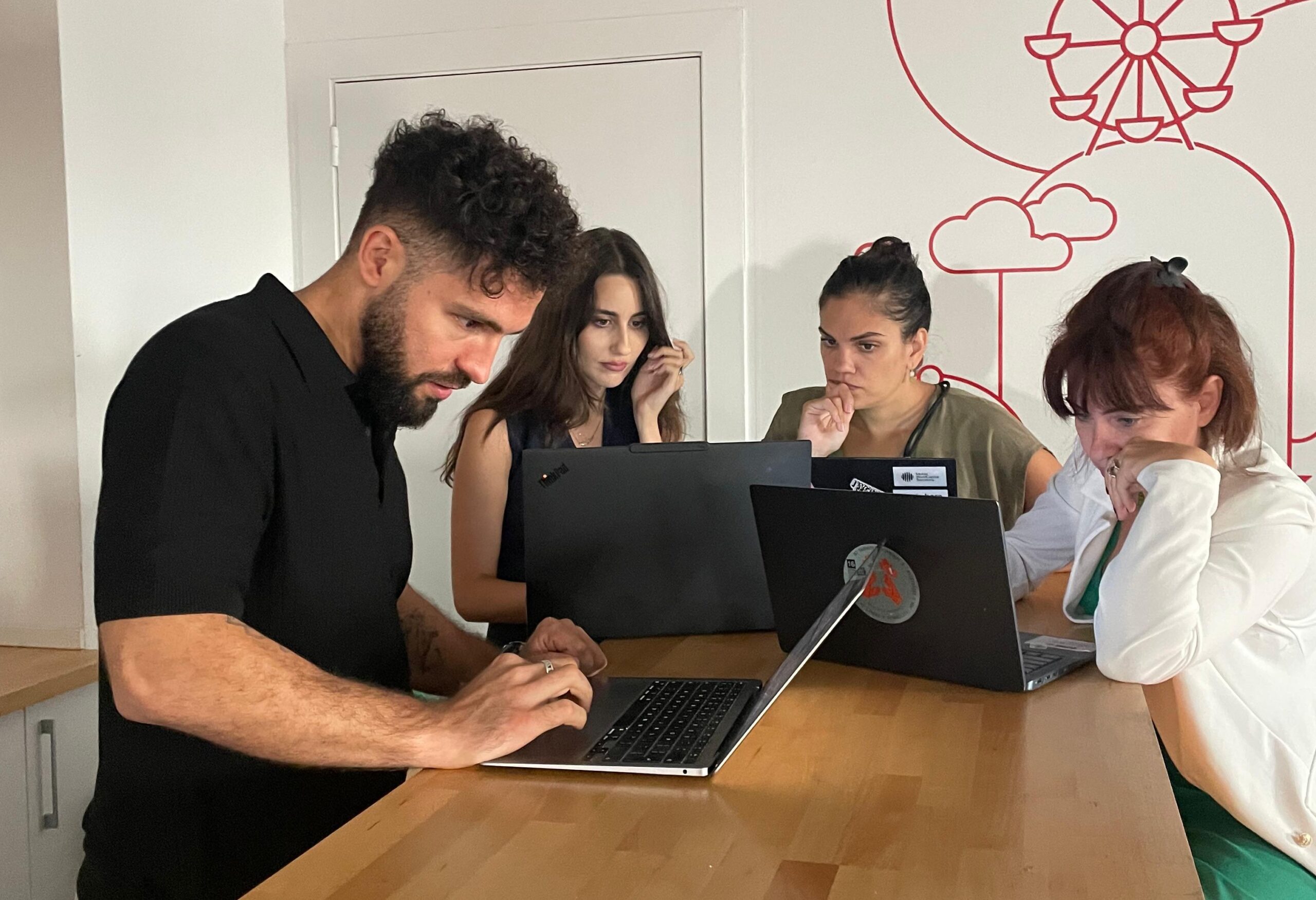
Participants were invited to continue conversations through an informal networking session, connecting people interested in pilots, sustainability challenges, circular technologies and future collaboration.
The hybrid format also experimented with digital matchmaking to connect online and onsite participants and help identify people interested in similar circularity challenges..
Participants were encouraged to network both physically and digitally, bringing together companies, innovators and experts around potential pilots and shared sustainability challenges.
That idea captures much of what CIRCULOOS has demonstrated over the course of the project: circular manufacturing is not created by one company, one technology or one project.
It emerges when manufacturers, technology providers, innovators, regional ecosystems and new business partners can connect materials, data and capabilities across value chains.
The Barcelona workshop therefore marked more than a showcase of project results. It was also a step towards the project’s next challenge: ensuring that the solutions already demonstrated can continue growing, replicating and creating value across European industry.